Enhance IEC 61850 Solution Performance With IEC 61869-9
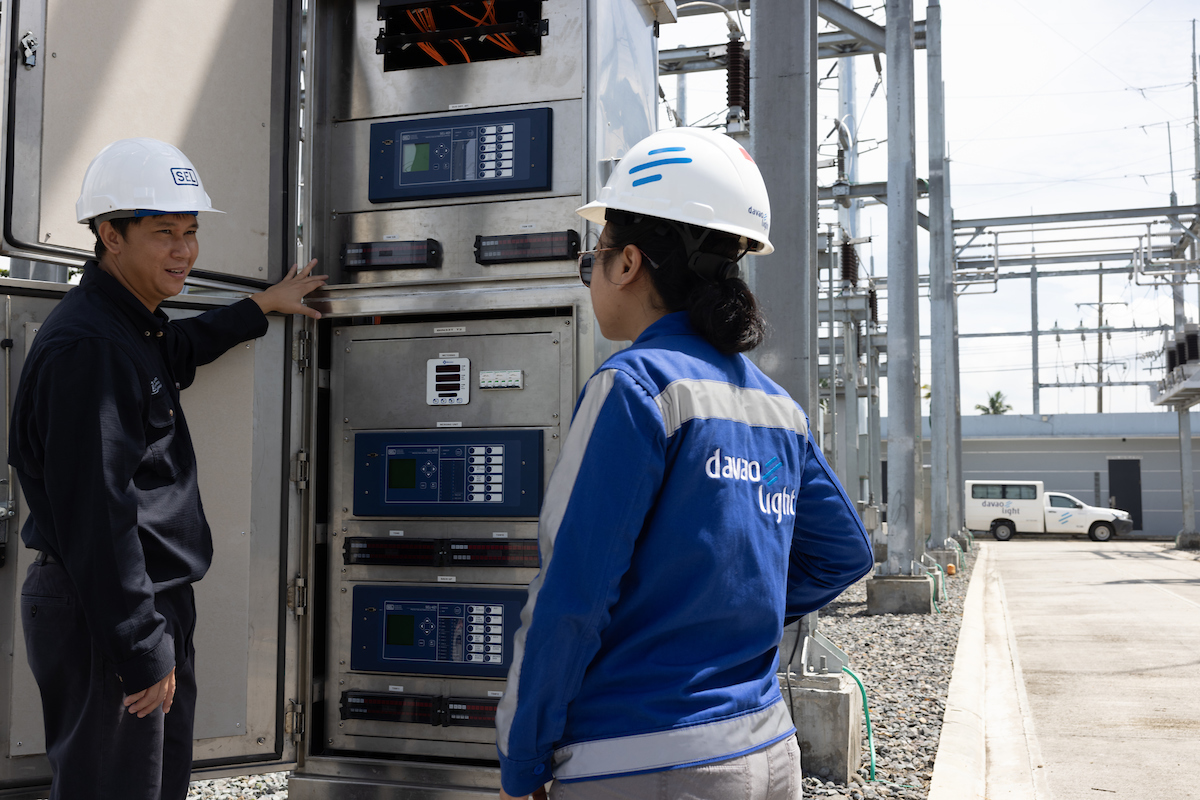
Build scalable station bus and process bus systems, tailored to your needs, by using SEL devices—now compliant with IEC 61869-9.
Build Reliable IEC 61850-Compliant Systems With SEL Devices
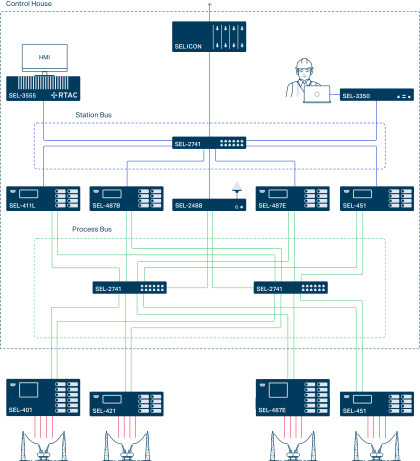
SEL provides the devices you need to build standards-compliant, scalable digital secondary systems with advanced performance and resilience.Our IEC 61869-9-compliant SEL-400 series relays enhance these solutions in several ways. The customized SV streams enabled by IEC 61869-9 decrease network load by 20 percent compared to IEC 61850-9-2LE that is used for typical applications. For instance, instead of the 4 currents and 4 voltages per packet previously required by IEC 61850-9-2, you can configure each SV packet to transmit 18 current and 6 voltage values for transformer applications. The Parallel Redundancy Protocol (PRP) and High-availability Seamless Redundancy Protocol (HSR) add resiliency by enabling protective devices to continue operating if one of the network connections goes down. Using acSELerator Architect SEL-5032 Software, you can make device commissioning and system design faster, simpler, and more scalable.
1
2
3
4
5
- Flexible Server ModelArchitect helps you customize your IEC 61850 system model—making the design process faster, simpler, and more scalable.
- Precision Time Protocol (PTP)The SEL-2488 Satellite-Synchronized Network Clock uses PTP to distribute precise time, enabling submicrosecond time synchronization for reliable protection and control.
- IEC 61850 Edition 2.1This update to the IEC 61850 standard brings improvements to GOOSE messaging and Manufacturing Message Specification (MMS) for increased interoperability.
- HSR and PRP*These redundancy protocols improve the reliability and availability of process bus and station bus communications.
- IEC 61869-9A flexible message structure for SV streams decreases network load and improves process bus performance.
*The system diagram shows a PRP implementation.
Digital Secondary System Components
Digital secondary systems (also called digital substations) that comply with IEC 61850 are comprised of two communications segments, each using Ethernet over fiber: the process bus and station bus. The process bus transfers SV data streams and other communications between devices in the substation yard and protective relays in the control house. The station bus facilitates substation monitoring, automation, SCADA communications, secure engineering access, local HMIs, and more.
Partner with our experienced engineers to create an IEC 61850-based digital secondary system tailored to achieve your operational goals.